




Audiomnemonic
Hi everyone, first of all I'm going to assume that you watched a previous video. in our youtube channel
In this article I'm going to walk you through how to associate pronunciation and meaning of the word to our existing knowledge or familiar concepts. Just to clarify my point, let me give you an example. I'm trying to learn the point, let me give you an example. I'm trying to learn the Farsi word MAAST means yogurt. The first step is to listen how the word pronounced, then see if the word or parts of the word sound similar to words we know, This word MAAST reminds me of must or mustache. I'm gonna choose mustache because I'm gonna link yogurt to mustache by sentence with mental image and this sentence should be a strange stupid ridiculous sexy or generates an intense emotion inside you. Regular sentences are not memorable. Alright, let's learn most in a fun way.

I'm going to imagine a fictional user manual on a yogurt container. If you have a thick mustache, please drink this yogurt carefully.
That's it. I know that your sentence would be different than mine. People have different learning and thinking style. So I'm gonna help you discover your style and creating mnemonics on your own. Let's see how. I'm going to type mnemonic dictionary. Open up this website mnemonicdictionary.com. I'm going to look for a word, for example, proliferate. These are mnemonics that created by users.(see this part in youtube)
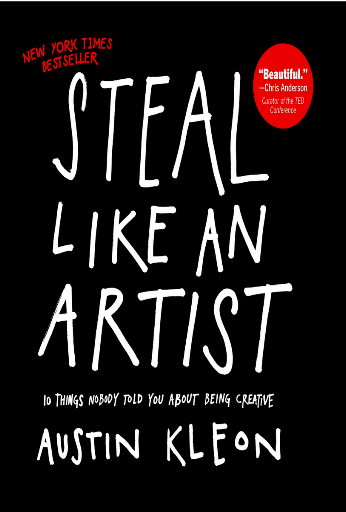
steal like an artist
Now is the time to steal like an artist. Start copying what you like. I'm talking about practice, not plagiarism. Copying is like reverse engineering. Examine, what is in that sentence which makes it memorable? Which makes it different? Copy their trick, copy their style, copy their thinking behind. Don't just mimic. Once Yohji Yamamoto, Japanese designer said, start copying what you love. Copy, copy, copy, copy. At the end of copy, you find yourself. Fake it till you make it. This is a good technique. Put it at your disposal.
Happy copying.